

Spiritual Direction
What is Spiritual Direction?
Spiritual direction is an ongoing, one-to-one conversation about your inner life and your unique spiritual path. It is a shared practice of discernment, listening for what is most real and alive in you: questions, longings, fears, hunches, griefs, joys, and the quieter currents that keep asking for your attention.
Some people name this as God, others as the Divine, Spirit, Buddha nature, the ground of being, or simply “what matters most,” including no name at all.
In simple terms, spiritual direction is a regular space to slow down, lay down what you are carrying, and offer your life as it is, without having to clean it up first. It is not therapy, problem solving, or advice giving. It is a relationship of contemplative companionship and deep attention, where silence is honored as a practice and where you are met with welcome rather than judgment.
Over time, the hope is not that everything gets resolved, but that you begin to live with more authenticity and freedom, in deeper relationship with your own life.
Spiritual direction has roots in Christian contemplative traditions, and my own formation draws from that world alongside Sōtō Zen practice. At the same time, it is meant to be accessible across traditions, and also to those who may not claim a path at all, but still feel called to explore the deeper currents of their lives.
How I Practice Spiritual Direction
I offer spiritual direction in person in Northern California and online via Zoom. Sessions are usually about an hour, at a rhythm that fits your life. You don't have to perform, impress, or already know what you believe. You can arrive as you are.
We begin with whatever you bring: a relationship, a dream, a practice, a question, or simply a sense that something is shifting. My approach is trauma-aware and consent-based. We move at a humane pace, with respect for your safety and agency.
I listen closely, ask questions, and reflect back what I hear, without rushing toward answers. Rooted in Sōtō Zen and contemplative practice, I may invite a little shared silence, meditation, or another simple practice. There is always room to say yes, no, or "not right now."
Spiritual direction is a place to look anew, and sometimes to begin anew. It's an opportunity to talk about what really matters, beyond clichés and easy answers. Together, we can make room for uncertainty, sorrow, wonder, and questions that don't yet have answers.
My role as a spiritual director is to sojourn with you. I offer steady, compassionate companionship, grounded in respect for your own path and inherent wisdom. I consider it a privilege to be invited into another person's life in this way.
Formation, Service, and Belonging

My formation as a Spiritual Director
I’m completing formation and education in the Art of Spiritual Direction through Loyola Marymount University’s Center for Religion and Spirituality and the Sisters of St. Joseph of Orange. The program is grounded in Catholic and Christian theology and ethics, with a strong emphasis on prayerful listening, discernment, supervision, and compassionate care, which I translate into an interfaith practice that welcomes a wide range of spiritual languages and life experiences. I’ve also completed additional training in LGBTQ+ spiritual care, with attention to trauma-aware, dignity-centered spiritual accompaniment.
Priest, not Teacher: what that means here
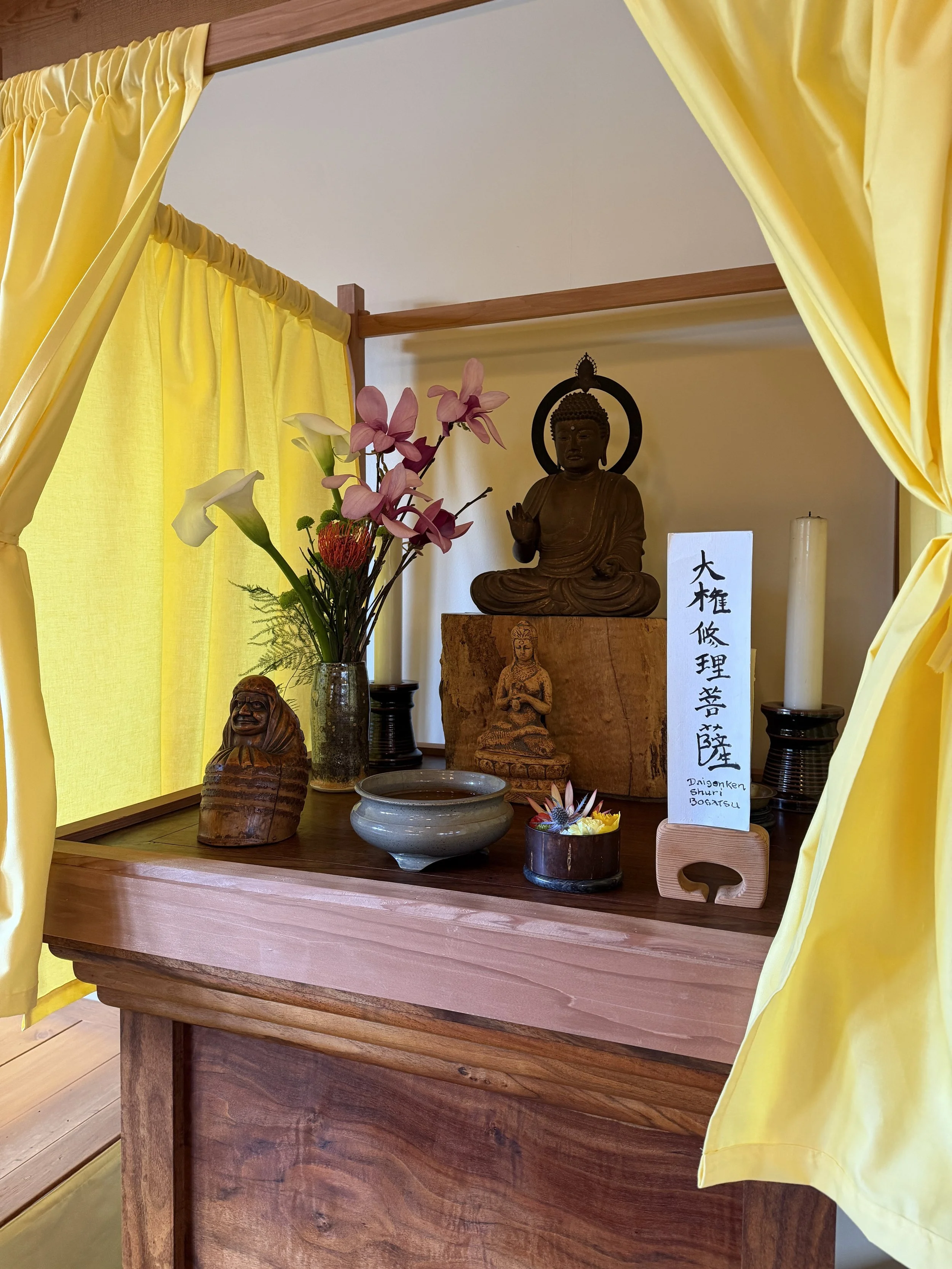
I am a Sōtō Zen priest who offers spiritual direction. In this tradition, priesthood is a vocation of practice, service, and ongoing formation rather than spiritual status or mastery, and I am not a transmitted Zen Teacher. Part of this vocation is simply to encourage zazen and support others in finding their own way into practice. My role is to support contemplative practice, spiritual discernment and compassionate presence while remaining grounded in my own vows, training, and community. I was ordained by Shinchi Linda Galijan Roshi, Abbot of the Berkeley Zen Center, and continue to practice within the sangha there, which has become my spiritual home and heart-home in Zen practice.
Mountains and waters as Teachers
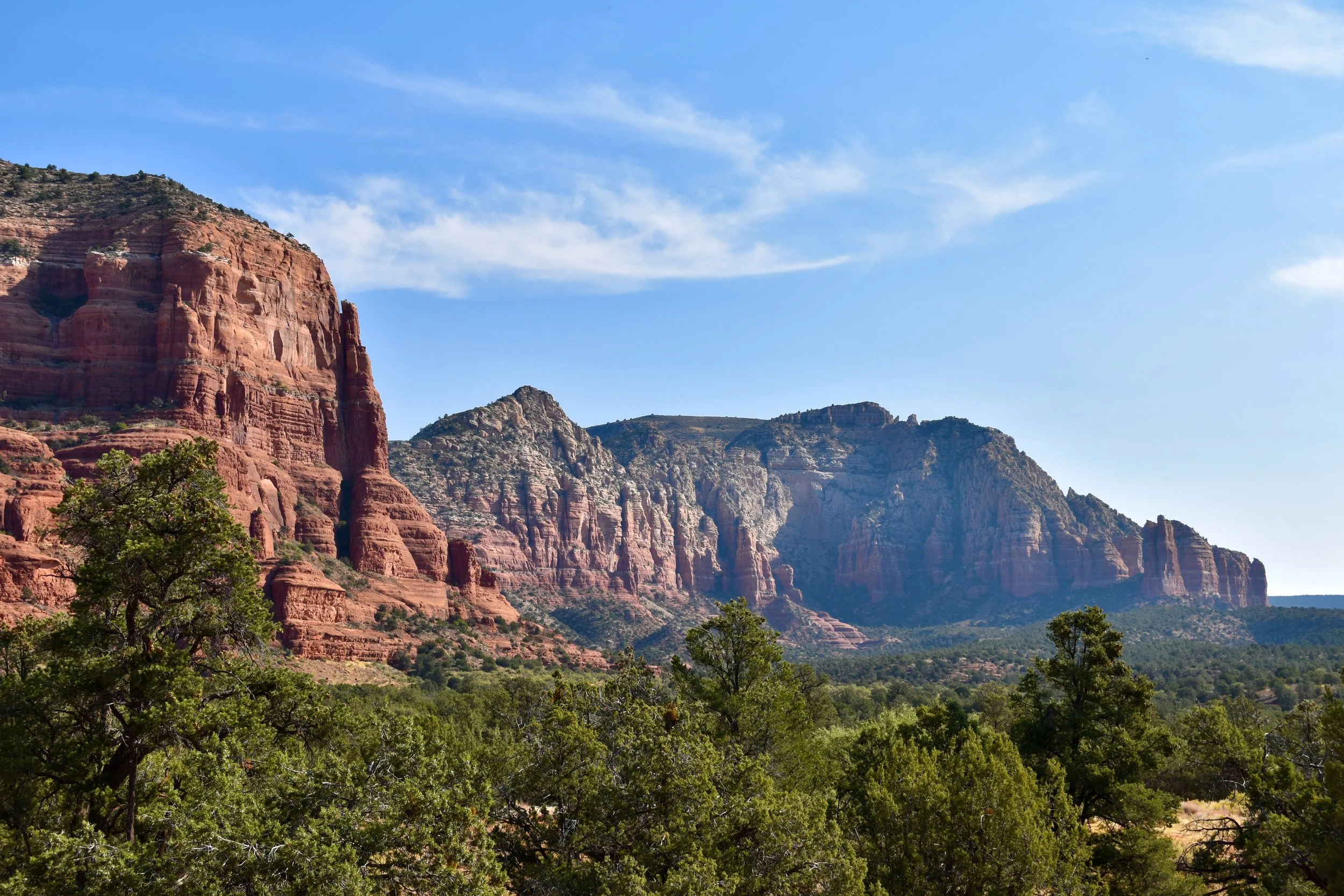
I’ve been drawn to the outdoor world since childhood. I grew up volunteering at a local nature preserve, walking its trails and helping to lead nature education groups. It was in the wild places along the American River that I first encountered meditation practice, and that early experience still shapes the core of my spiritual life. I continue this formation through the study of ecodharma and through classes and training in nature-based spiritual care, mindful outdoor leadership, and the respectful interpretation of the living world.